
Changdeokgung Palace
창덕궁
Changdeokgung Palace was the second royal villa built following the construction of Gyeongbokgung Palace in 1405.
Crowd now
Plenty
Short waits, easy to move


as of 21:01 KST · Based on nearby measuring point: 창덕궁·종묘 ›
Today's weather
Details ›7°
Clear
0%
Chance of rain
–
PM2.5
KMA short-range forecast
Today by hour(est.)
When is it quiet?(est.)
This week by time of day (forecast)
| Closed | |||||
| Plenty | Plenty | Moderate | Plenty | Quiet | |
| Plenty | Plenty | Moderate | Plenty | Quiet | |
| Plenty | Plenty | Plenty | Plenty | Quiet | |
| Plenty | Moderate | Moderate | Moderate | Quiet | |
| Plenty | Moderate | Moderate | Moderate | Quiet | |
| Plenty | Moderate | Moderate | Moderate | Quiet | |
Visitors to Jongno-gu this time last year
Source: Korea Tourism Organization DataLab
About 497K a day on average; Saturday was the busiest (about 629K).
- 417KMon
- 446KTue
- 480KWed
- 487KThu
- 529KFri
- 629KSat
- 493KSun
Crowd forecast, next 30 days
Source: Korea Tourism Organization
About
Source: Korea Tourism Organization
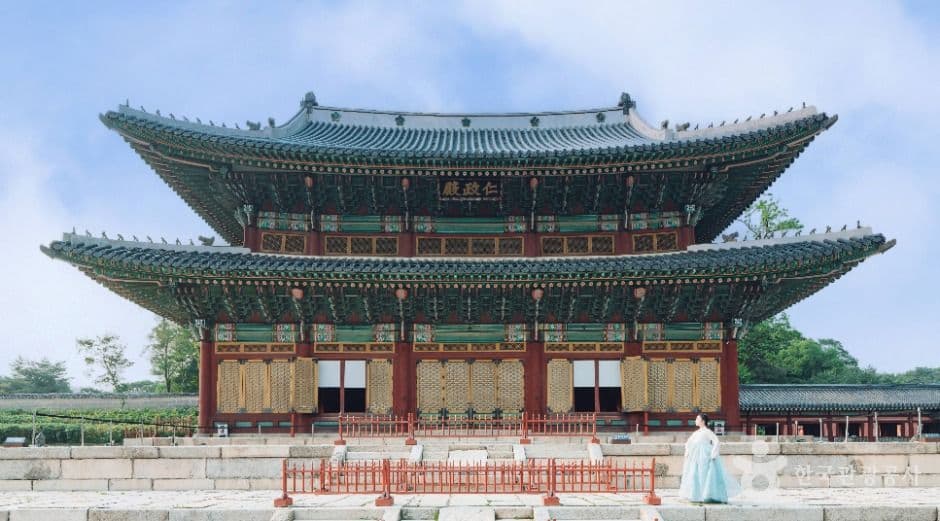
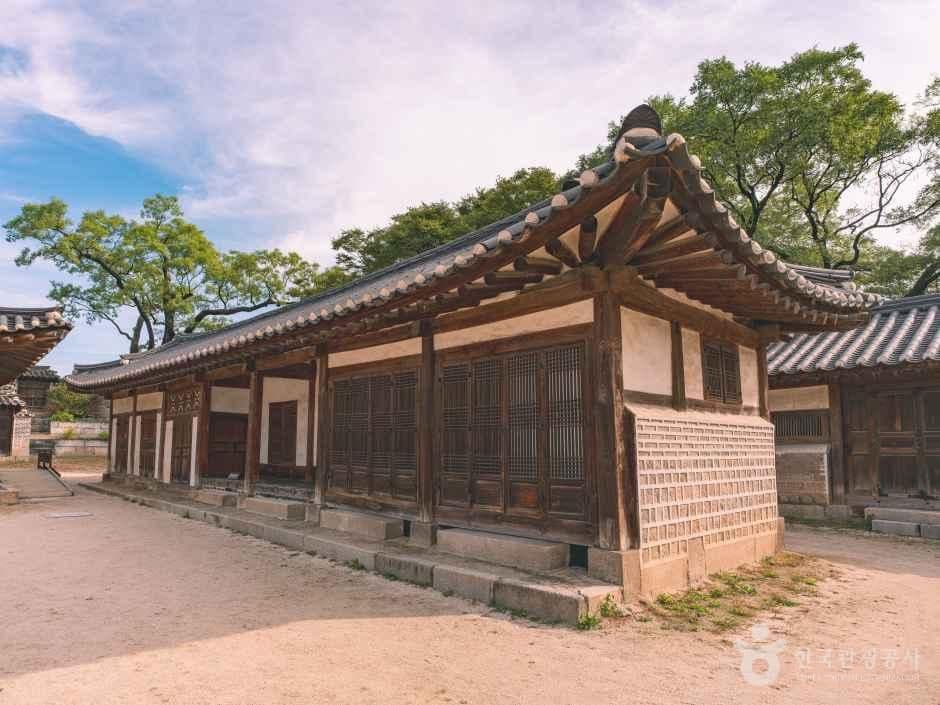
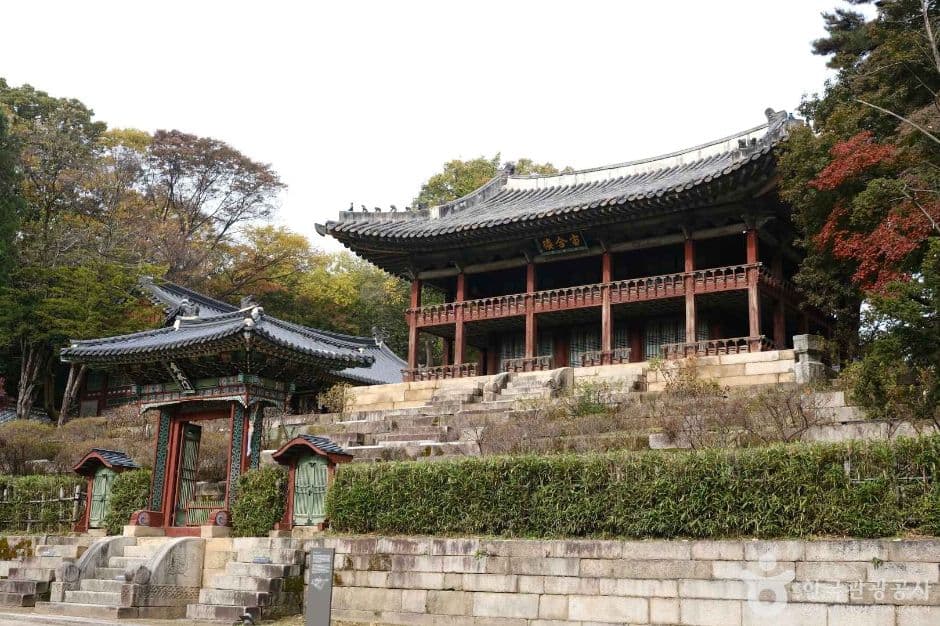
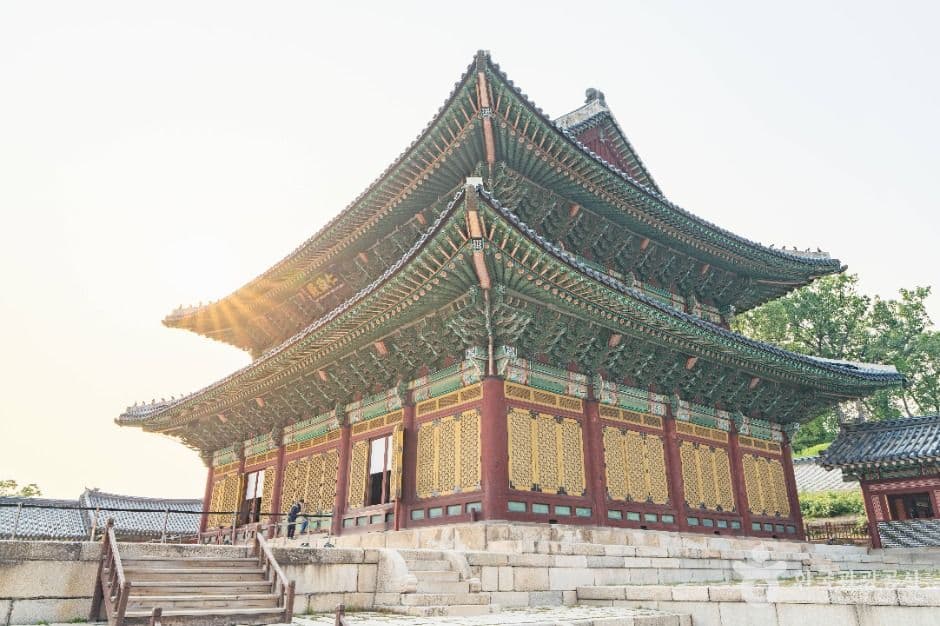
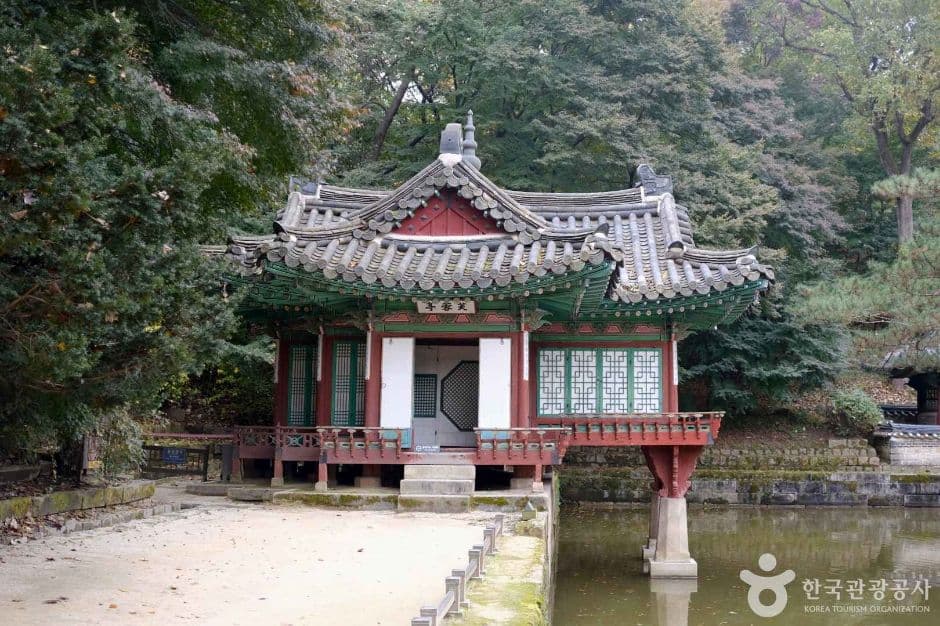
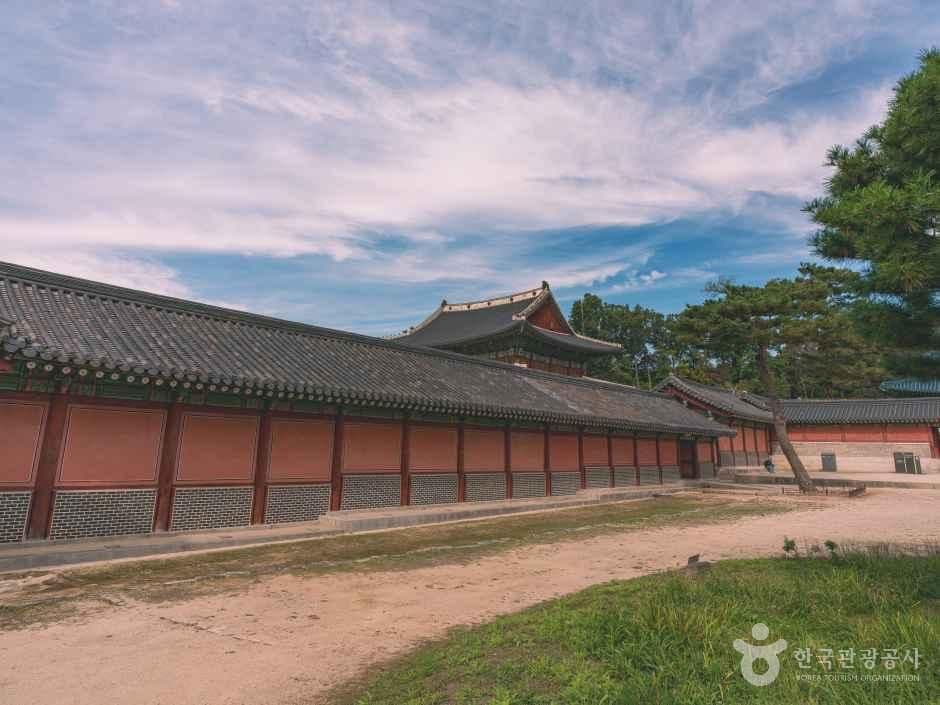
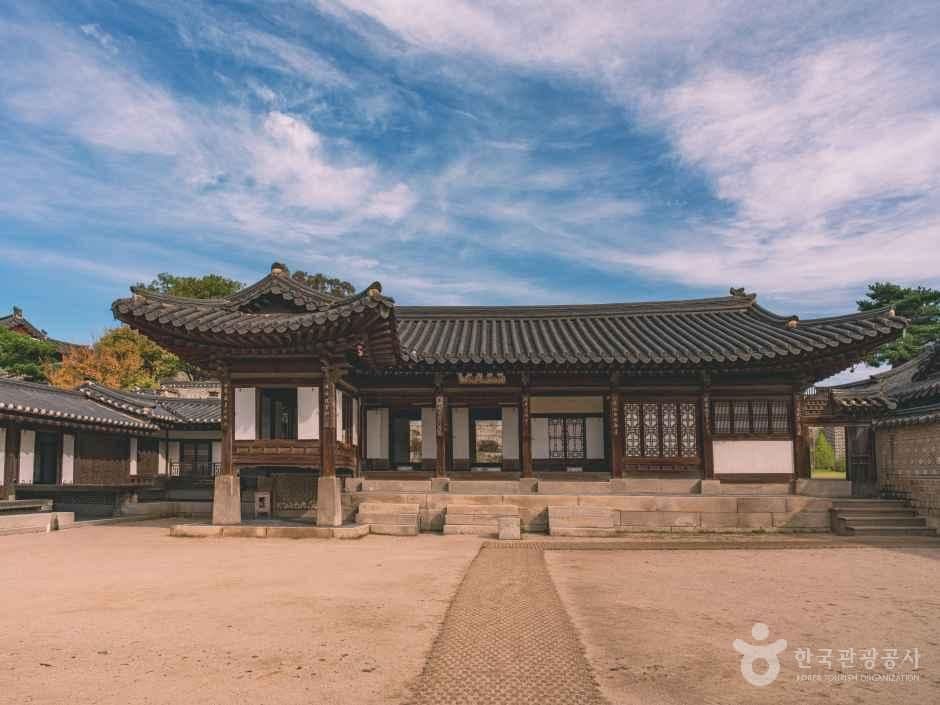
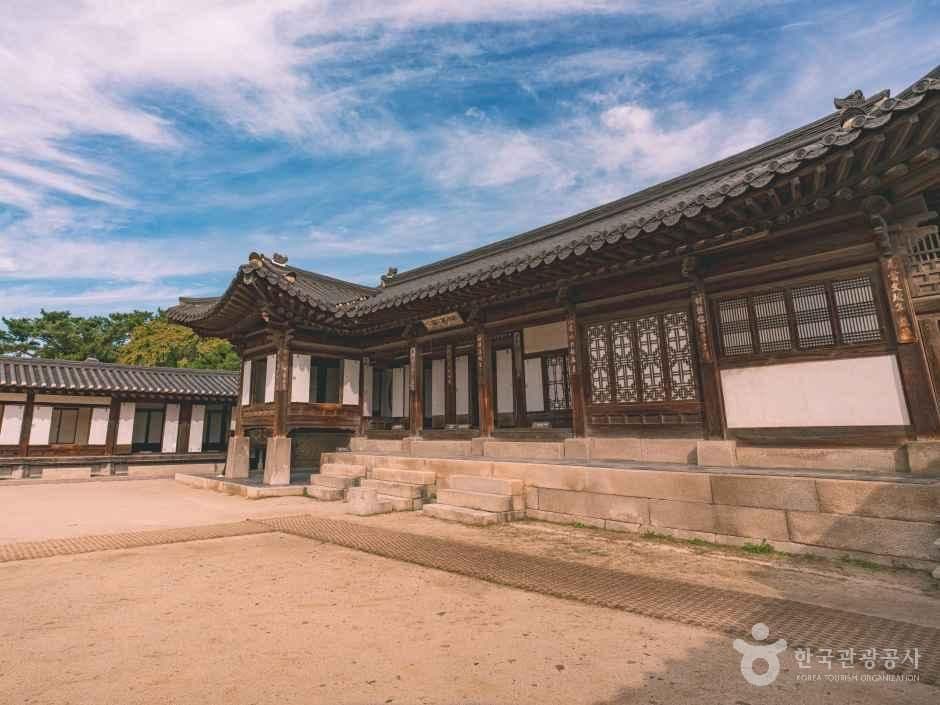
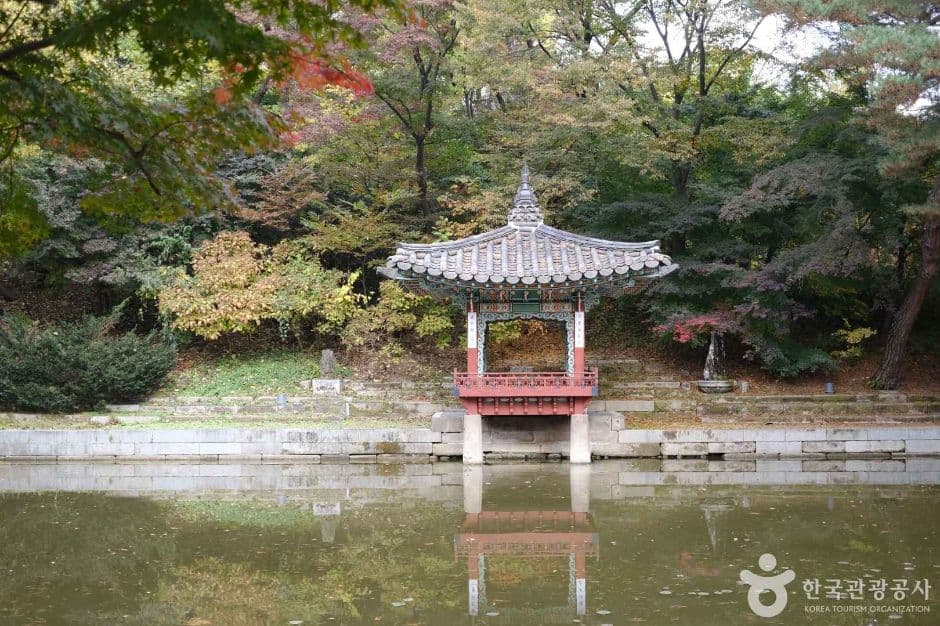
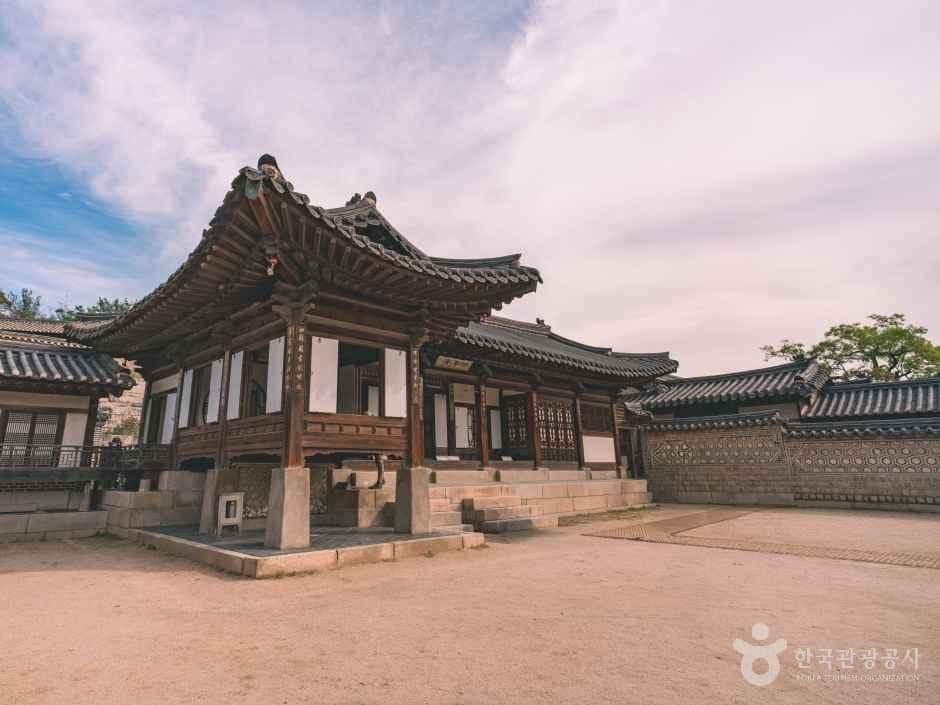
It was the principal palace for many kings of the Joseon dynasty, and is the most well-preserved of the five remaining royal Joseon palaces. The palace grounds are comprised of a public palace area, a royal family residence building, and the rear garden. Known as a place of rest for the kings, the rear garden boasts a gigantic tree that is over 300 years old, a small pond and a pavilion. The palace gained importance starting from the time of Seongjong, the 9th king of Joseon, when a number of kings began using it as a place of residence. Unfortunately, the palace was burned down by angry citizens in 1592 when the royal family fled their abode during the Imjin War. Thanks to Gwanghaegun, the palace was restored in 1611. Even today, it houses a number of cultural treasures, such as Injeongjeon Hall, Daejojeon Hall, Seonjeongjeon Hall, and Nakseonjae Hall. Changdeokgung Palace’s garden behind the inner hall, called the "Secret Garden," was constructed during the reign of King Taejong and served as a rest area for the royal family members. The garden had formerly been called Bugwon and Geumwon, but was renamed Biwon Garden, or Secret Garden, after King Gojong came into power. The garden was kept as natural as possible and was touched by human hands only when absolutely necessary. Buyongjeong Pavilion, Buyongji Pond, Juhamnu Pavilion, Eosumun Gate, Yeonghwadang Hall, Bullomun Gate, Aeryeonjeong Pavilion, and Yeongyeongdang Hall are some of the many attractions that occupy the garden. The most beautiful time to see the garden is during the fall when the autumn foliage is at its peak and the leaves have just started to fall. Though it has been treasured by Koreans for centuries, Changdeokgung Palace and its complex was recognized as a World Cultural Heritage site by the UNESCO World Cultural Heritage Committee in December of 1997 during the committee meeting in Naples, Italy.
🛡️ Nearby emergency shelters
Places to take cover in an emergency such as an air raid or disaster, nearest first.
- 230m원서빌딩 주차장Underground · Up to 745 people
- 240m현대빌딩 본관 지하2층Underground · Up to 5,330 people
- 380m지하철3호선 안국역 지하1~3층 대합실 승강장Underground · Up to 10,438 people
Source: Ministry of the Interior and Safety, civil defense shelters (KOGL Type 1)
Find tours & tickets
‘Changdeokgung Palace’ tickets & tours — grab deals and discounts
 Top pickKlookGo ›
Compare other sites
 KKday
 GetYourGuide
Ad · affiliate links
Find stays nearby
Stays near ‘Changdeokgung Palace’ — grab deals and discounted rates
 Top pickTrip.comGo ›
Compare other sites
 Agoda
 Booking.com
 Airbnb
 Expedia
 Hotels.com
 Google Hotels
Ad · affiliate links
Nearby places to visit
Closest first · crowd level now on each photo
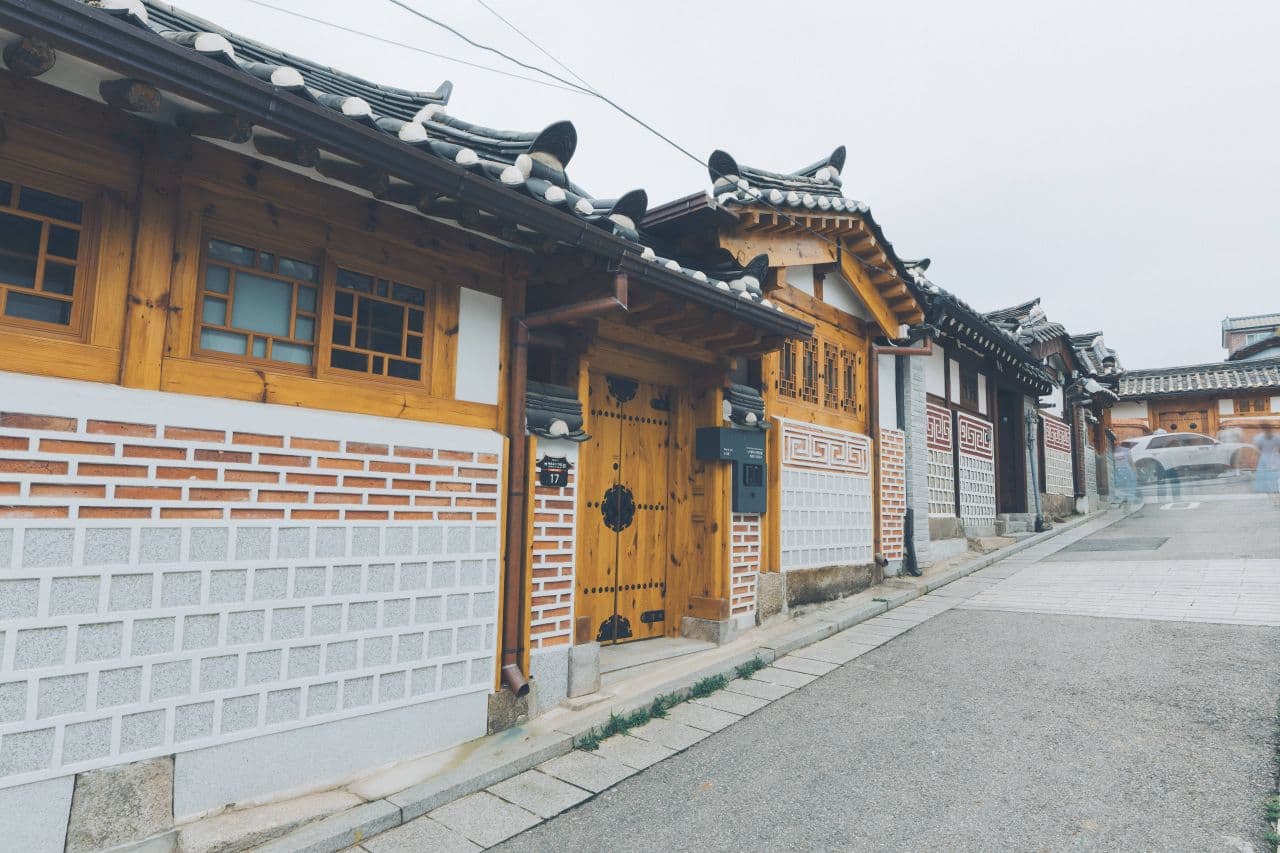 History & culturePlenty
Bukchon Hanok Village
Seoul · History & culture · 0.3 km
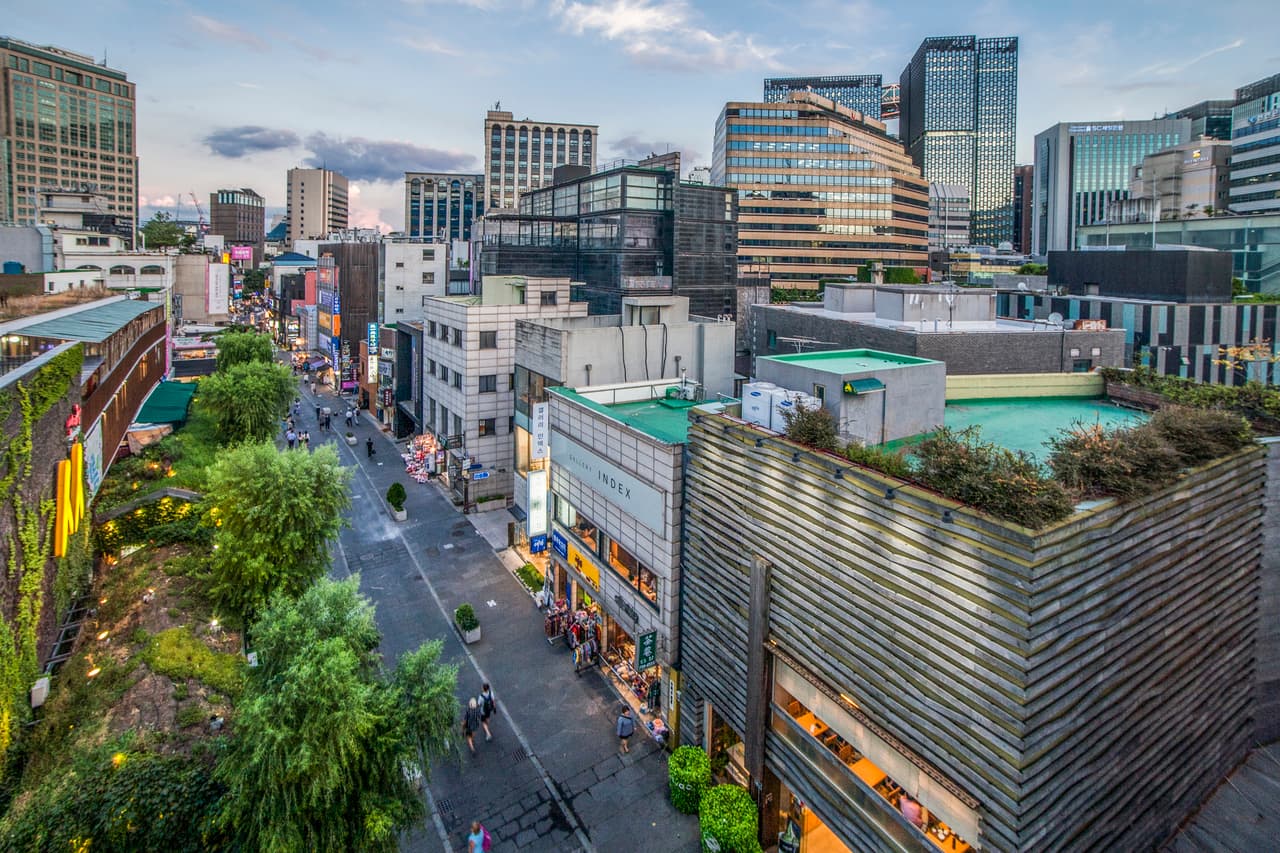 City & streetsModerate
Insadong
Seoul · City & streets · 0.6 km
Climbing
PlentyPEAKERS Climbing Jongno
Jongno, Seoul · 0.7 km
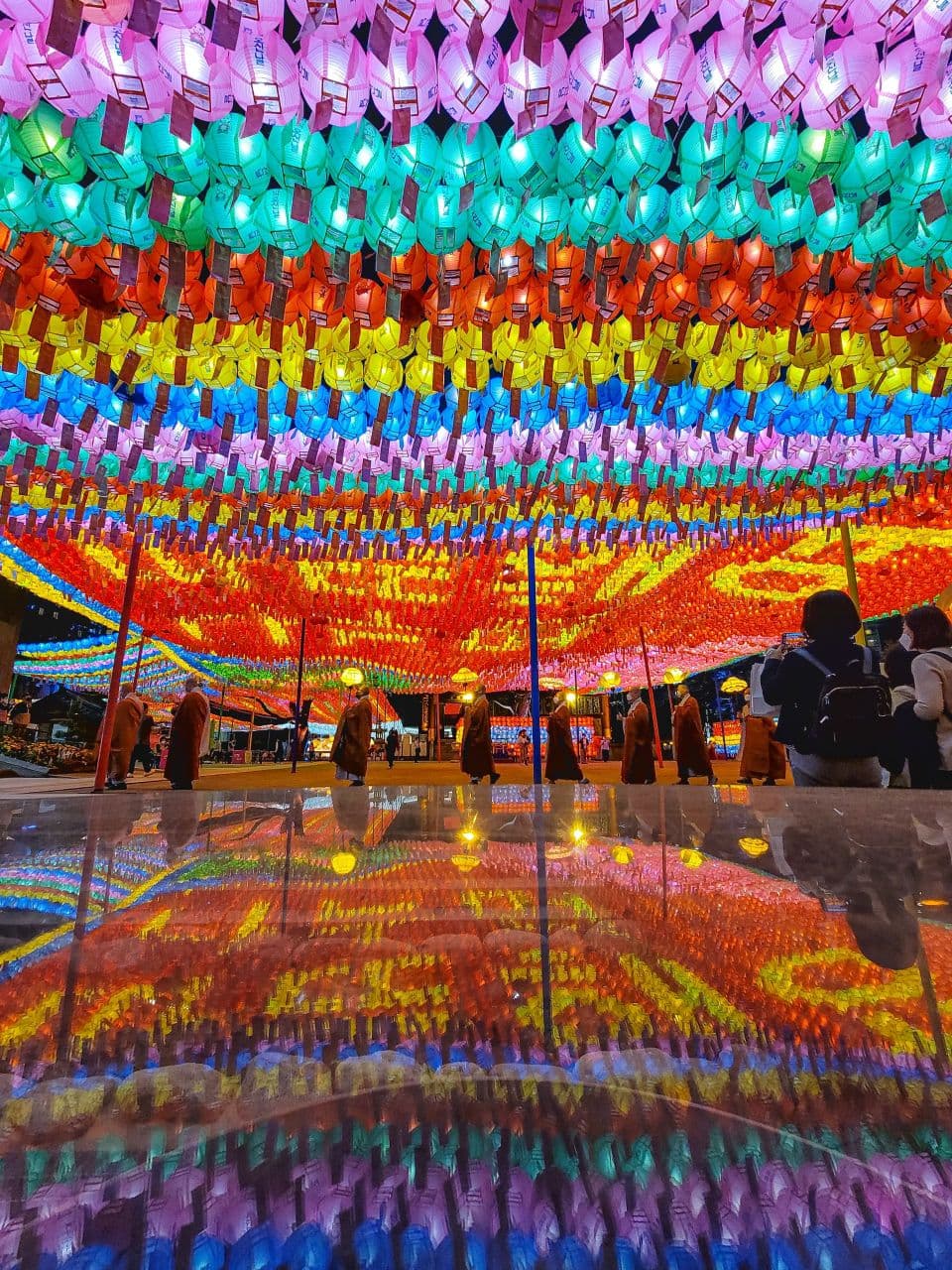 History & culture
Jogyesa Temple
Seoul · History & culture · 0.8 km
Climbing
PlentySeoul Forest Climbing Jongno
Jongno, Seoul · 0.9 km
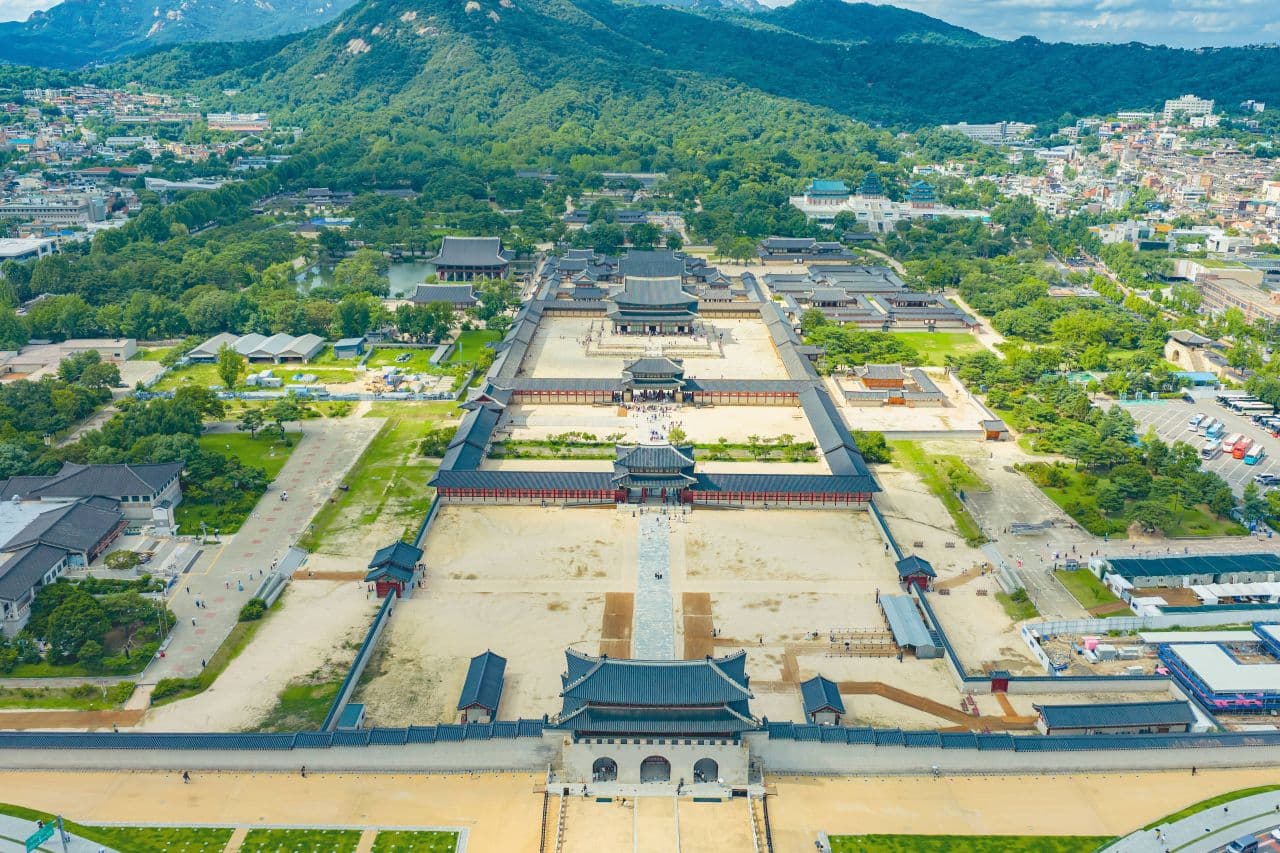 Royal palace
Gyeongbokgung Palace
Jongno, Seoul · 1.2 km
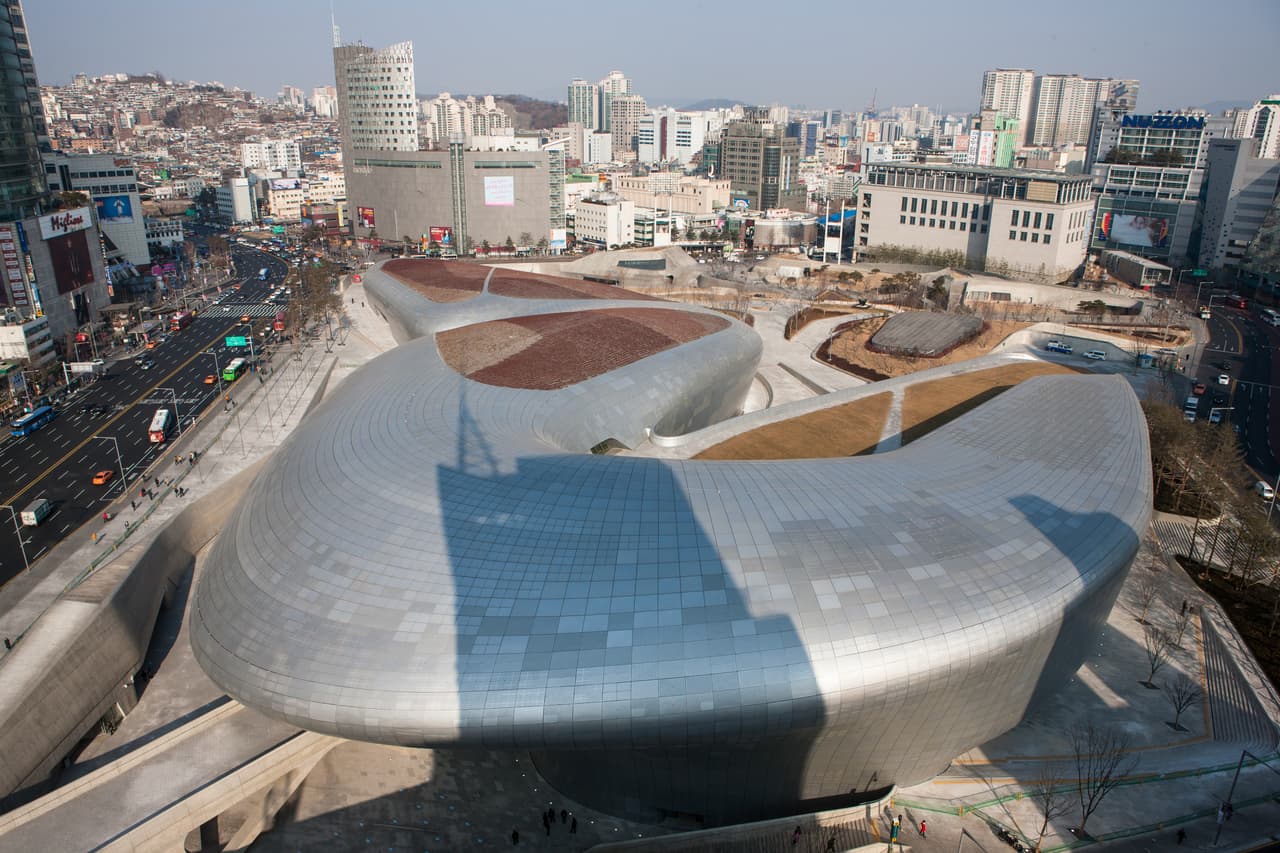 City & streetsPlenty
Dongdaemun Design Plaza
Seoul · City & streets · 2.1 km
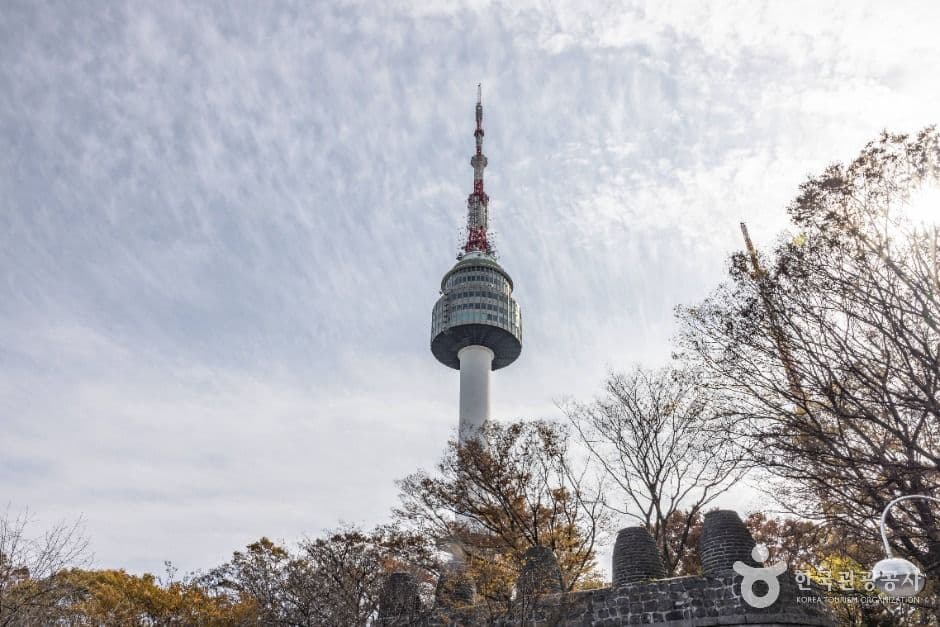 City & streetsModerate
Namsan N Seoul Tower
Seoul · City & streets · 2.5 km
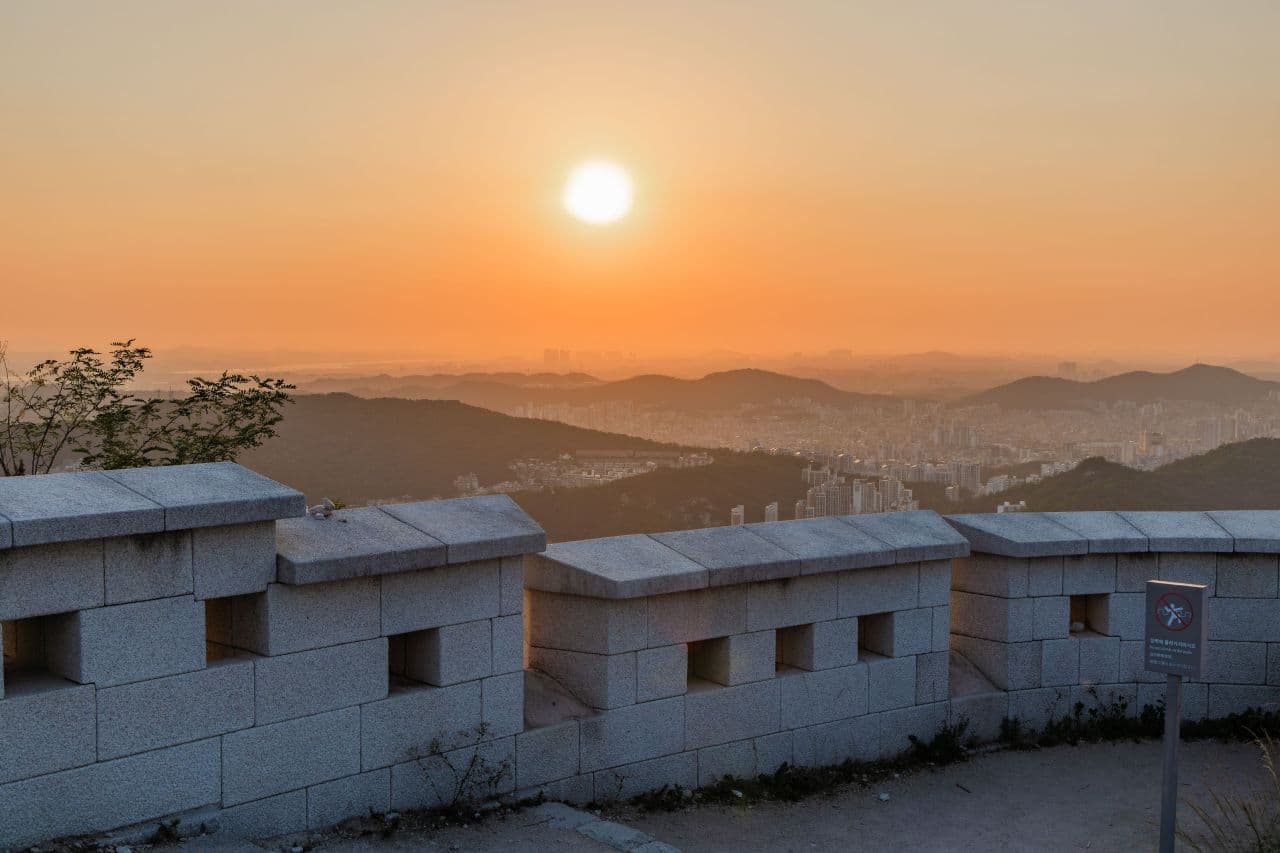 Nature
Inwangsan Mountain
Seoul · Nature · 2.8 km
Arcade
PlentyWadada Arcade Sinchon
Seodaemun, Seoul · 5.0 km
Info
Source: Korea Tourism Organization. Check official notices before visiting.
Known crowd patterns
- 후원 단풍 (10월 말~11월 초)
Trends compiled from news, statistics and visitor reviews · heraldk.com, fnnews.com
🎟️ Monthly visitors in 2025
Counted at: 창덕궁
The busiest month was November (about 405K visitors).
Latest data, November 2025: about 405K visitors · about 30% foreign visitors
- January 124K people
- February 79.7K people
- March 156K people
- April 244K people
- May 227K people
- June 159K people
- July 88.9K people
- August 108K people
- September 134K people
- October 400K people
- November 405K people
Source: Korea Culture & Tourism Institute, Tourism Knowledge Information System (paid attraction admissions)